
Most nonprofit leaders spend their days thinking about how to serve more people, raise more donations, and stretch every dollar a little further.
Cybercriminals know that.
And that’s exactly why nonprofits have become one of their favorite targets.
Here’s a question worth thinking about:
If someone gained access to your donor database tomorrow, how would your organization recover?
It’s not just about losing files or restoring a computer system. A cyberattack can disrupt your operations, expose sensitive information, damage your reputation, and shake the confidence of the people who support your mission.
The good news is that understanding the risks is the first step toward reducing them.
Let’s look at why nonprofits are increasingly being targeted, what today’s cyber threats look like, and how the right combination of prevention and cyber insurance can help protect everything you’ve worked so hard to build.

Why Are Cybercriminals Targeting Nonprofits?
Many nonprofit leaders assume hackers are only interested in large corporations with deep pockets.
Unfortunately, that’s not how cybercrime works anymore.
Today’s criminals look for organizations that have valuable information but may not have the same cybersecurity resources as larger businesses.
That’s exactly where many nonprofits fall.
You Collect Valuable Donor Information
Think about the information your organization stores every day.
- Donor names
- Email addresses
- Phone numbers
- Mailing addresses
- Donation history
- Payment information
- Volunteer records
To your organization, it’s simply part of serving your community.
To a cybercriminal, it’s valuable data that can be stolen, sold, or used to commit fraud.
Online Donations Create Opportunity
More nonprofits accept donations online than ever before.
That’s great for fundraising.
Unfortunately, it also creates additional opportunities for cybercriminals to target payment systems, donor accounts, and online giving platforms.
Any organization handling financial transactions should assume that someone, somewhere, is trying to exploit weaknesses in those systems.
Limited Technology Budgets
This isn’t a criticism.
It’s reality.
Most nonprofits are focused on directing as much money as possible toward their mission.
Hiring a full-time cybersecurity team or investing heavily in technology isn’t always realistic.
Criminals understand that.
They know software updates may be delayed.
They know employees and volunteers may not receive regular cybersecurity training.
And they know many organizations don’t have someone monitoring their systems around the clock.
Those gaps create opportunity.
The Most Common Cyber Attacks Against Nonprofits
Cybercrime isn’t just one type of attack.
It comes in many forms, and some are much more common than others.
Here are four that every nonprofit should understand.
1. Business Email Compromise
This is one of the fastest-growing cyber threats affecting organizations of every size.
It usually starts with an email.
Sometimes a criminal gains access to someone’s inbox.
Other times they create an email address that looks almost identical to one your organization already uses.
Then they send a message pretending to be your executive director, board president, accountant, or even a trusted vendor.
The email might ask someone to:
- Update banking information
- Wire money immediately
- Purchase gift cards
- Send sensitive information
Everything appears legitimate.
Until someone realizes the money—or the information—is already gone.
2. Wire Fraud
Wire fraud often starts with an email compromise.
A vendor invoice gets intercepted.
Bank account information gets changed.
Your organization believes it’s paying a legitimate bill.
Instead, the payment goes directly to criminals.
Once funds have been wired, recovering that money can be extremely difficult.
3. Ransomware
You’ve probably heard about ransomware on the news.
Here’s what it actually looks like.
A criminal gains access to your systems and locks your files using encryption.
Suddenly your donor records, accounting files, volunteer information, and internal documents become inaccessible.
Then comes the demand.
Pay a ransom.
Or lose your data.
Even if an organization decides to pay, there’s no guarantee the criminals will restore everything.
That’s what makes ransomware so disruptive.
4. Donation Fraud
Not every cyberattack happens inside your organization.
Sometimes criminals impersonate nonprofits by creating fake fundraising websites, fake donation pages, or fraudulent social media campaigns.
Supporters believe they’re donating to your cause.
Instead, their money goes directly into a criminal’s pocket.
Beyond the financial loss, these scams can seriously damage donor confidence and trust.
What Happens After a Cyberattack?
Many organizations think the biggest problem is getting hacked.
In reality, the breach is often just the beginning.
Recovering from a cyber incident involves far more than restoring a few computer files.
Forensic Investigations
Cybersecurity specialists need to determine:
- How the attack happened
- What information was accessed
- How long criminals had access
- Whether the threat has been fully removed
That investigation alone can become expensive.
Notifying Everyone Affected
If donor or employee information was compromised, your organization may have legal obligations to notify everyone affected.
Depending on the size of your nonprofit, that can involve hundreds—or even thousands—of people.
Legal Expenses
A cyber incident can raise complicated legal questions.
Were privacy laws triggered?
Were contracts affected?
Are there reporting requirements?
Legal guidance often becomes a necessary part of the recovery process.
Public Relations and Reputation Management
This is one of the costs many organizations overlook.
When supporters trust you with their personal information and donations, that trust matters.
After a cyber incident, people naturally have questions.
Donors want reassurance.
Board members want updates.
Community partners want to know what happened.
Managing those conversations professionally is an important part of protecting your organization’s reputation.
How Cyber Insurance Can Help
Cyber insurance isn’t designed to replace good cybersecurity practices.
It’s designed to help your organization recover when prevention isn’t enough.
Depending on the policy, cyber insurance may help pay for:
- Computer forensic investigations
- Data recovery
- Notification expenses
- Credit monitoring for affected individuals
- Legal costs
- Public relations assistance
- Business interruption losses
- Ransomware response
- Cyber extortion expenses
Every policy is different, but the goal is the same.
Help your organization recover as quickly as possible while minimizing the financial impact of a cyber event.
Not Every Cyber Policy Covers the Same Things
This is one area where nonprofit leaders often get surprised.
Many people assume that if they have cyber insurance, everything is automatically covered.
Unfortunately, that’s not always true.
Some policies place limits on:
- Social engineering fraud
- Business email compromise
- Wire transfer fraud
- Ransomware payments
- Third-party vendors
- Payment card fraud
Others require organizations to maintain certain cybersecurity practices, like multifactor authentication or employee training.
If those requirements aren’t met, coverage could be affected.
That’s why it’s so important to review your policy with an advisor who understands nonprofit risks—not just someone selling insurance.
Practical Ways to Reduce Your Cyber Risk
Cybersecurity doesn’t have to be overwhelming.
A few simple habits can dramatically reduce your chances of becoming the next victim.
Consider making these part of your organization’s routine:
- Turn on multifactor authentication wherever possible.
- Use strong, unique passwords.
- Keep software and security updates current.
- Back up important files regularly.
- Train employees and volunteers to recognize phishing emails.
- Limit access to sensitive information based on job responsibilities.
- Develop a response plan before an incident ever happens.
Preparation won’t eliminate every risk.
But it can make recovery much faster if something does happen.
Your Mission Depends on More Than Passion
Every nonprofit exists to make a difference.
Whether you’re feeding families, supporting veterans, protecting animals, educating children, or serving your local community, your mission deserves to be protected.
Cybercriminals aren’t targeting nonprofits because they disagree with your mission.
They’re targeting nonprofits because they see opportunity.
The organizations that recover the fastest aren’t necessarily the biggest.
They’re the ones that planned ahead.
They invested in smart cybersecurity practices.
And they made sure they had the right insurance protection in place before something went wrong.
Let’s Help You Stay One Step Ahead
If you’re not sure whether your nonprofit has the right cyber protection—or whether your current policy leaves important gaps—we’re here to help.
At Leal Insurance Services, we specialize in helping Texas nonprofits understand their risks in plain English.
No scare tactics.
No confusing insurance language.
Just honest guidance to help you make informed decisions and protect the mission you’ve worked so hard to build.
Request a complimentary cyber risk assessment today, and let’s make sure your organization is prepared for whatever comes next.
Frequently Asked Questions
Do small nonprofits really need cyber insurance?
Yes. Many cybercriminals specifically target smaller organizations because they often have fewer cybersecurity resources. The size of your nonprofit doesn’t determine your cyber risk—your data does.
What information are hackers usually trying to steal?
Cybercriminals commonly target donor information, payment details, employee records, volunteer information, login credentials, and financial data.
Does a general liability policy cover cyberattacks?
Typically, no. Most general liability policies exclude cyber-related losses. Cyber insurance is usually purchased as a separate policy or endorsement.
What is business email compromise?
Business email compromise (BEC) is a scam where criminals impersonate someone your organization trusts—such as an executive, board member, or vendor—to trick employees into sending money or sensitive information.
Does cyber insurance pay ransom demands?
Some policies may provide coverage for ransomware-related expenses, including ransom payments when legally permitted. However, every policy is different, and coverage depends on the circumstances and policy terms.
How much does cyber insurance cost for a nonprofit?
Pricing depends on factors like your organization’s annual revenue, the amount of sensitive data you store, your cybersecurity practices, and the coverage limits you choose. Many nonprofits are surprised to learn that cyber insurance is often more affordable than they expected.
What can nonprofits do today to reduce cyber risk?
Start with the basics:
- Enable multifactor authentication.
- Train staff and volunteers to identify phishing emails.
- Keep software updated.
- Back up your data regularly.
- Review who has access to sensitive information.
- Create an incident response plan before you need one.
How can Leal Insurance Services help?
We work with nonprofits across Texas to identify cyber risks, review existing insurance policies for potential coverage gaps, and recommend practical solutions that fit your organization’s needs and budget. Our goal is to help you make informed decisions so you can stay focused on your mission.
Read more from Leal Insurance Services

Your Contracting Business Grew. Did Your Insurance Grow With It?
Most contractors don’t wake up one morning and suddenly have a million-dollar business. It happens little by little. You start…

Why Two Contractors Doing the Same Work Can Pay Completely Different Insurance Rates
Two electricians. Same city. Similar work. About the same revenue. Roughly the same number of employees. One gets an insurance…

Before You Sign That Construction Contract, Read the Insurance Requirements
You landed the job. The GC sends over the construction contract. You look at the scope of work, check the…

Contractor Insurance Audits: Why You Got a Huge Bill After Your Policy Ended
You paid your insurance premium. The policy year ended. Maybe you even renewed. Then a few weeks or months later,…

Real Contractor Claims That Put Small Construction Companies Out of Business: Employee Injuries in Texas
Most contractors I talk to worry about the obvious stuff. Someone stealing a trailer full of tools. A storm shutting…
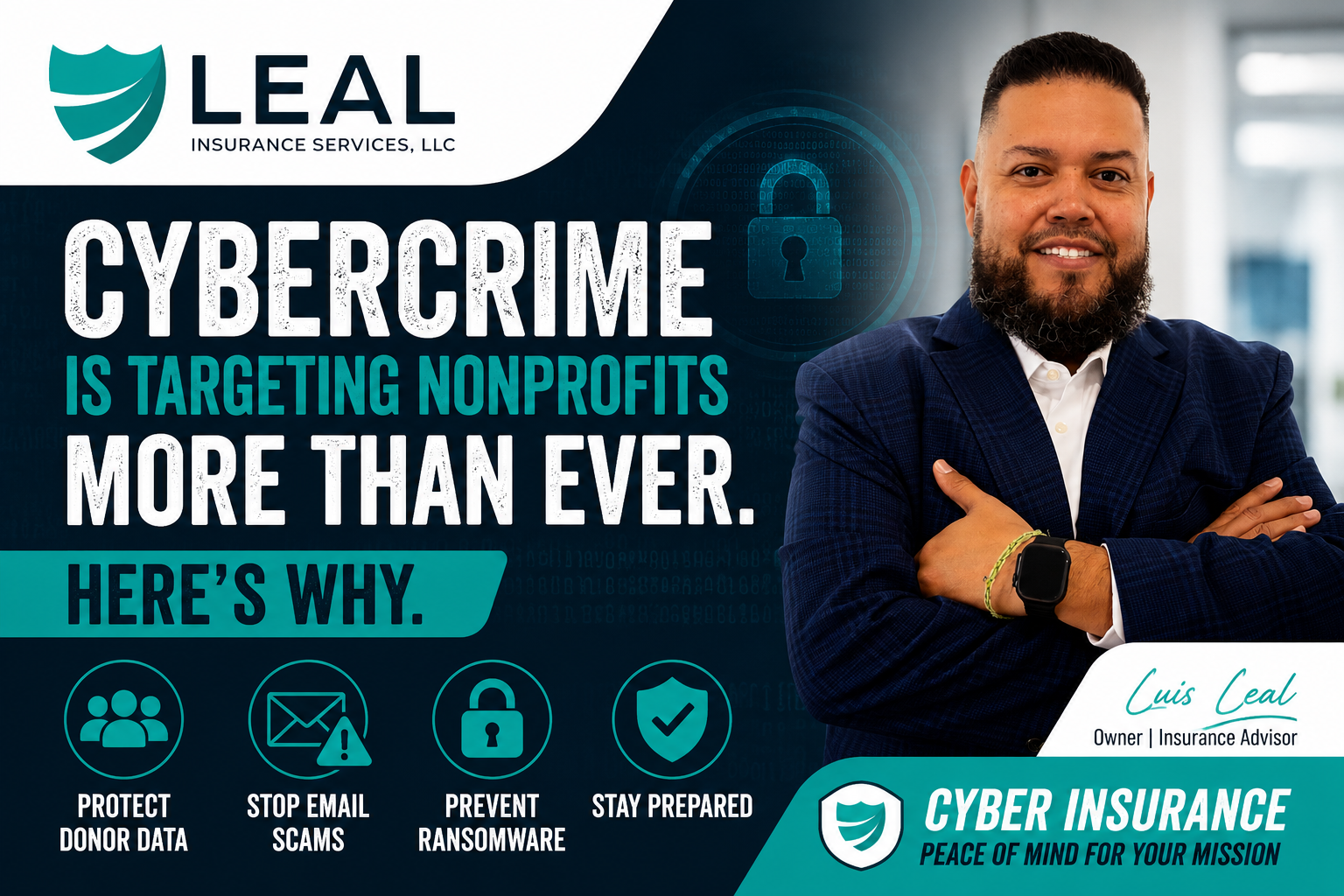
Cybercrime Is Targeting Nonprofits More Than Ever. Here’s Why It Matters.
Most nonprofit leaders spend their days thinking about how to serve more people, raise more donations, and stretch every dollar…