
Let’s be honest.
Most tattoo shop owners didn’t get into this business because they love reading insurance policies.
You got into it to create great work, build a reputation, and run a shop people trust.
But here’s the problem: a lot of tattoo shops are carrying insurance they think protects them… until something actually goes wrong.
That’s when they find out they were missing key coverage, had limits that were too low, or bought the cheapest option without realizing what it left out.
This is the guide I wish every tattoo shop owner had before buying their first policy.
We’re going to walk through how to review your current insurance, what coverages matter most, what red flags to watch for, and how to make smarter decisions moving forward.
And if you’d rather not guess through it alone, we also created a Tattoo Shop Insurance Checklist to help you review everything step-by-step. We’ll link it in the comments.
Start Here: Pull Out Your Policy Declarations Page
If you only look at one part of your insurance policy, make it the declarations page.
This is usually the first few pages of the policy and gives you the quick snapshot of what you bought.
Look for these five things:
1. Business Name
Make sure the policy is written in the correct business name or legal entity.
2. Policy Dates
Check the start and end dates so you know the coverage is active.
3. Coverages Included
What policies do you actually have? Many owners assume they have more than they do.
4. Limits
How much protection is there if something serious happens?
5. Endorsements
These are add-ons or changes that can either help you… or quietly remove protection.
If no one has ever explained your declarations page, you’re not alone.
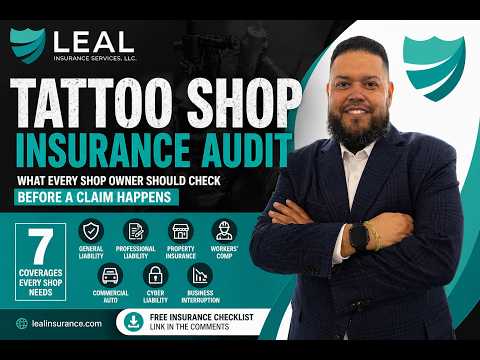
The 7 Coverage Types Every Tattoo Shop Should Review
Every shop is different, but these are the core coverages most tattoo businesses should look at.
1. General Liability Insurance
This helps with common claims like:
- A customer slips and falls
- Property damage to others
- Basic injury claims
2. Professional Liability Insurance
This is one of the biggest coverages for tattoo artists.
If a customer says the tattoo was done wrong, doesn’t match the agreed design, or caused harm, this may be the coverage that matters most.
3. Property Insurance
Helps cover things like:
- Machines
- Chairs
- Furniture
- Front desk equipment
- Inventory
- Shop improvements
4. Workers’ Compensation
Texas rules are unique, so talk with a licensed advisor about your options.
This can help if someone working for the business gets hurt.
5. Commercial Auto Insurance
If vehicles are used for shop business, conventions, supply runs, or deliveries, this should be reviewed.
6. Cyber Insurance
If you take cards, store customer data, use booking software, or keep records online, cyber risk is real.
7. Business Interruption Insurance
If the shop has to close after a covered loss, this can help replace lost income and ongoing expenses.
Recommended Limits by Shop Size
Every situation is different, but here’s a starting point many shops review.
Solo Artist Shop
- General Liability: $1M / $2M
- Professional Liability: $1M
- Cyber: $100K–$250K
- Property: enough to replace what you own
3 to 5 Artists / Booth Renters
- General Liability: $1M / $2M minimum
- Professional Liability: review structure carefully
- Cyber: $250K–$500K
- Business Interruption: 3 to 6 months of income
6+ Artists / Larger Shops
- General Liability: consider higher limits
- Cyber: $500K+ depending on systems and data
- Property: full replacement value
- Business Interruption: 6 to 12 months
Cheap limits can become expensive later.
One Dangerous Exclusion Tattoo Shops Need to Watch For
This is a big one.
Some general liability policies may contain wording that excludes professional services.
In plain English?
The policy may cover someone slipping in your lobby… but not issues tied to the tattoo work itself.
That’s why many tattoo shops review professional liability separately.
Other exclusions worth reviewing:
- Communicable disease language
- Independent contractor issues
- Certain product exclusions
- Abuse/molestation or assault/battery limitations depending on operations
Never assume. Read the wording.
Helpful Endorsements Many Shops Ask About
Depending on how your business runs, ask about:
Hired & Non-Owned Auto
If personal vehicles are ever used for business errands.
Products Liability
Important if products, aftercare, or supplies create exposure.
Liquor Liability
If you host events where alcohol is served.
Booth Renter Structure
If artists rent space, make sure responsibilities are clear.
Every shop setup is different.
Texas Tattoo Shop Compliance Matters Too
In Texas, tattoo shops may have state and local requirements involving licensing, sanitation, and operations.
Insurance and compliance often go hand in hand.
If there’s ever a claim, poor documentation or failure to follow procedures can create bigger problems.
Keep records clean. Stay current. Run a tight shop.
How to Compare Tattoo Shop Insurance Quotes the Right Way
Please don’t compare quotes by price alone.
A cheap policy can be cheap for a reason.
Compare:
- What coverages are included
- Limits
- Deductibles
- Exclusions
- Carrier reputation
- Claims support
- Experience with tattoo shops
An $800 policy and a $1,400 policy may not be remotely equal.
Questions to Ask Before You Buy
Ask your agent:
- Does this cover tattoo-related claims?
- Do booth renters need their own policy?
- What are my biggest gaps right now?
- If I get sued, what happens first?
- What would you change if this were your shop?
Good advisors should be able to answer clearly.
Red Flags That Mean It’s Time to Review Your Policy
You may need a second look if:
- You bought the cheapest option fast
- You’ve added artists and never updated coverage
- You don’t know your limits
- You’ve never read the declarations page
- You’re not sure if tattoo work is actually covered
That’s more common than you think.
Independent Agent vs Buying Direct
Buying direct usually means one company’s options.
Working with an independent agent often means access to multiple carriers and better comparisons.
That can be a huge advantage in a niche business like tattoo shops.
Especially when the details matter.
Final Thoughts
Insurance may not be the exciting part of owning a tattoo shop.
But it might be the thing that protects everything you’ve built.
Don’t wait until a claim happens to learn what your policy says.
Take an hour. Review it now.
And if you want help, grab our Tattoo Shop Insurance Checklist in the comments. It’s built to help shop owners spot gaps and ask better questions.
FAQ: Tattoo Shop Insurance
What insurance does a tattoo shop need?
Many shops review general liability, professional liability, property, cyber, workers’ comp options, business interruption, and commercial auto depending on operations.
Does general liability cover tattoo mistakes?
Not always. Some policies may exclude work tied to professional services. Review policy wording carefully.
Do booth renters need their own insurance?
Often yes, depending on the arrangement. It’s smart to review contracts and liability setup.
How much does tattoo shop insurance cost?
Pricing depends on revenue, number of artists, services offered, claims history, location, and coverages selected.
Is cheap tattoo shop insurance bad?
Not always. But low price sometimes means reduced coverage, lower limits, or exclusions.
Do tattoo shops need cyber insurance?
If you store customer data, accept cards, or use booking systems, it’s worth reviewing.